
Introduction to Raising Livestock and Sheep
:max_bytes(150000):strip_icc()/how-to-raise-sheep-3016859-12-c961e0b2b5524f1c842cf20990548fd4.jpg)
Shelter and Housing for Livestock and Sheep
Essential Requirements for Livestock and Sheep Housing
Size and Space:
Livestock and sheep need sufficient space to move around comfortably. Ensure that the housing area allows for proper ventilation and enough room for them to lie down, stand, and move without restrictions. Protection from the Elements:
Your livestock and sheep should be sheltered from extreme weather conditions such as heat, cold, rain, and wind. Install windows or ventilation systems to regulate temperature and prevent moisture buildup. Cleanliness and Hygiene:
Regular cleaning of the housing area is crucial to maintain a healthy environment for your animals. Remove manure, hay, and other debris regularly to prevent the spread of diseases and pests.
Designing a Suitable Shelter for Livestock and Shee
When designing a shelter for your livestock and sheep, consider the following factors:
- Layout and Orientation:
Ensure that the shelter is strategically placed to maximize sunlight exposure while providing shade during hot summer months. This encourages natural lighting and helps maintain a healthy environment. - Bedding and Flooring:
Choose flooring materials that are easy to clean and provide good insulation. Bedding materials such as straw or wood shavings offer comfort and absorb moisture effectively. - Separate Areas:
Create separate areas for different purposes, such as feeding, resting, and birthing. This allows for efficient management and minimizes the risk of injuries and stress among your livestock and sheep. - By considering these essential requirements and designing a suitable shelter, you can provide a safe and comfortable environment for your livestock and sheep, ensuring their health and productivity in the long run.

Feeding and Nutrition for Livestock and Sheep
Understanding the Dietary Needs of Livestock and Sheep
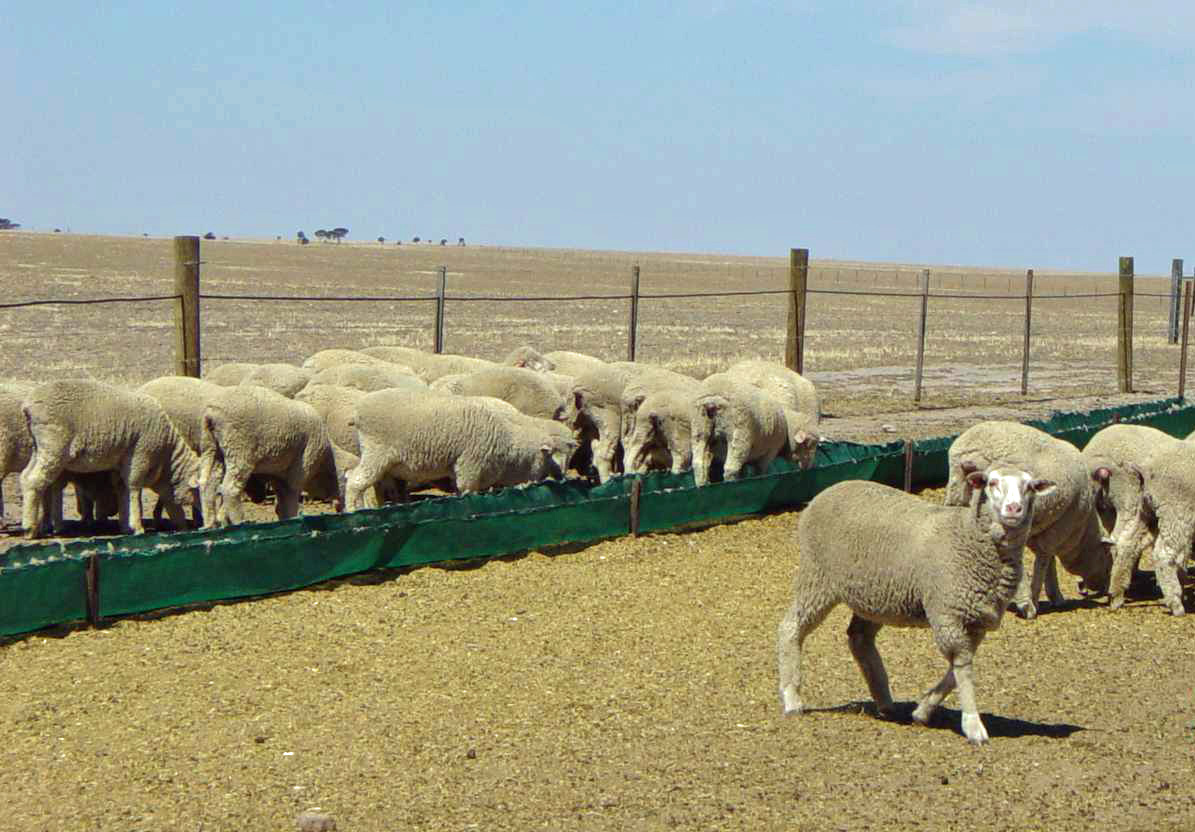
Feeding Strategies and Proper Nutrition
Health and Veterinary Care for Livestock and Sheep
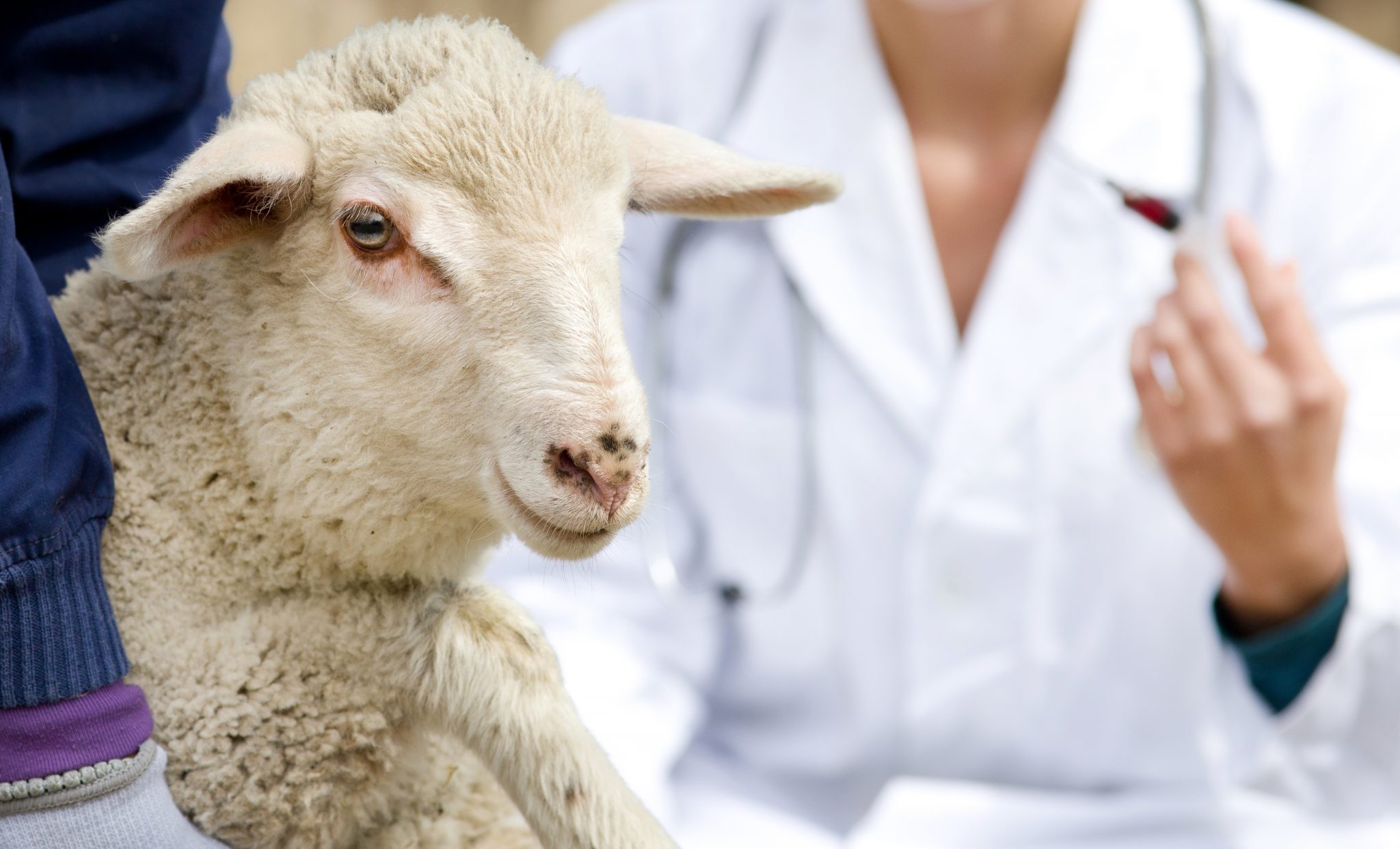
Preventive Measures for Livestock and Sheep Health
Common Diseases and How to Handle them
Breeding and Reproduction of Livestock and Sheep
The Importance of Breeding and Reproduction in Livestock and Sheep Farming
Effective Methods for Breeding and Maximizing Reproduction
Selective Breeding:
Choose animals with desirable traits and genetics for breeding purposes. This can be done through extensive research, studying pedigrees, and consulting with breed associations or experts. Artificial Insemination:
Use reproductive technologies such as artificial insemination to access superior genetics from proven sires without the need for physical contact between animals. Embryo Transfer:
Involves collecting embryos from genetically superior females and transferring them to surrogate mothers, thus increasing the number of offspring from desired genetic lines. Proper Nutrition and Health:
Ensure that breeding animals are provided with a balanced diet and proper healthcare to optimize their reproductive capabilities. Regular Breeding Soundness Evaluation:
Conduct routine examinations to assess the reproductive health of animals and identify any issues that may need attention or treatment.

Pasture Management for Livestock and Sheep
Creating and Maintaining Quality Pastures
Soil Testing and Fertilization:
Conduct regular soil tests to assess nutrient levels and pH. Based on the results, apply appropriate fertilizers to maintain optimal soil fertility. Seeding and Re-seeding:
Select high-quality pasture grass species and plant them strategically to ensure proper coverage and nutritional value. Regular re-seeding helps rejuvenate the pasture and maintain its productivity. Weed Control:
Implement weed control measures to prevent invasive plant species from choking out desirable pasture grasses. This can be done through manual removal, herbicides, or grazing management. Water Management:
Ensure adequate and clean water sources for livestock and sheep. Proper water management can help prevent waterlogging or drought, promoting healthy pasture growth.
Rotational Grazing and Forage Management
Divide Pastures into Paddocks:
Divide the pasture into multiple paddocks to allow for rotational grazing. This allows for better utilization of forage and prevents overgrazing. Controlled Grazing Periods:
Implement controlled grazing periods in each paddock, giving time for forage to regrow. This ensures a consistent supply of quality feed and prevents overgrazing. Forage Quality Assessment:
Regularly assess the quality of forage available in each paddock. This can be done through sampling and laboratory analysis to adjust rations and provide necessary supplementation.
Handling and Behavior Training of Livestock and Sheep
Essential Techniques for Handling Livestock and Sheep Safely
Proper Facilities:
Adequate handling facilities, such as pens, chutes, and gates, should be in place to safely confine and move the animals. Gentle Approach:
Approach the animals calmly and quietly, avoiding sudden movements or loud noises that may startle them. Use of Proper Equipment:
Utilize appropriate equipment, such as halters, leads, and handling tools, to ensure secure control of the animals and minimize the risk of injury. Correct Positioning:
Position yourself in a way that allows you to have control over the animal's head and body. This helps to guide them in the desired direction. Understanding Animal Behavior:
Learn about the natural behavior and instincts of livestock and sheep to anticipate their reactions and respond appropriately.
Training Livestock and Sheep for Good Behavior
Positive Reinforcement:
Use rewards, such as treats or verbal praise, to reinforce desired behaviors and encourage obedience. Consistency:
Maintain a consistent training routine and reinforce the same commands or cues to establish clear expectations for the animals. Handling and Desensitizing:
Regularly handle and expose the animals to various stimuli, including different sounds, textures, and objects, to desensitize them and build their confidence. Socialization:
Introduce livestock and sheep to different environments, people, and animals from a young age to promote positive social behaviors and reduce fear or aggression. Patience and Time:
Training takes time, so be patient and allow the animals to progress at their own pace. Avoid rush or forceful methods that may cause stress or resistance.

Marketing and Selling Livestock and Sheep Products
Identifying and Reaching Target Markets for Livestock and Sheep Products
Market Research:
Conduct thorough market research to understand the demand for specific livestock and sheep products. Identify the demographics, preferences, and needs of your target market. Networking:
Build connections with local farmers, agricultural associations, and industry experts to gain insights into the market and potential buyers. Attend trade shows or industry events to network and showcase your products. Online Presence:
Establish a strong online presence through a website, social media platforms, and online marketplaces. Utilize search engine optimization (SEO) techniques to increase visibility and reach your target audience. Direct Marketing:
Develop targeted marketing campaigns to reach out to potential buyers directly. This could include sending promotional materials, participating in local fairs or exhibitions, or organizing farm visits.
Strategies for Selling Livestock and Sheep Products Successfully
Quality Assurance:
Ensure the highest quality standards for your products. Maintain good hygiene, provide proper nutrition, and prioritize the well-being of your livestock and sheep. Product Differentiation:
Highlight the unique qualities and benefits of your products. Emphasize factors such as breed, feed quality, sustainable farming practices, or organic certifications to set yourself apart from competitors. Customer Relationships:
Build strong relationships with your customers by providing excellent customer service and personalized experiences. Listen to their feedback, address any concerns, and offer after-sales support. Collaboration:
Explore partnerships with local restaurants, grocery stores, or specialty shops that align with your target market. Collaborations can leverage each other's customer base and increase visibility for your products. E-commerce:
Consider selling your livestock and sheep products online, providing convenience and accessibility to customers. Offer secure online payment options and reliable shipping or delivery services.
Conclusion
Key takeaways for Successful Livestock and Sheep Farming
Provide proper nutrition and maintain good hygiene to ensure the health and well-being of your animals. Implement quality assurance measures to maintain the highest standards for your products. Differentiate your products by highlighting unique qualities such as breed, feed quality, and sustainable farming practices. Build strong customer relationships through excellent customer service and personalized experiences. Explore collaborations with local businesses to expand your customer base and increase visibility for your products. Consider selling your products online to provide convenience and accessibility to customers.
Additional Resources and Further Learning Opportunities
Attend workshops, seminars, and conferences related to livestock and sheep farming to expand your knowledge and network with industry experts. Join local farmer associations or online farming communities to connect with fellow farmers and share experiences and best practices. Read books, research papers, and online articles on livestock and sheep farming to stay updated on industry trends and advancements. Consult with veterinarians and experienced farmers for guidance and advice specific to your farming operation.

تعليقات
إرسال تعليق